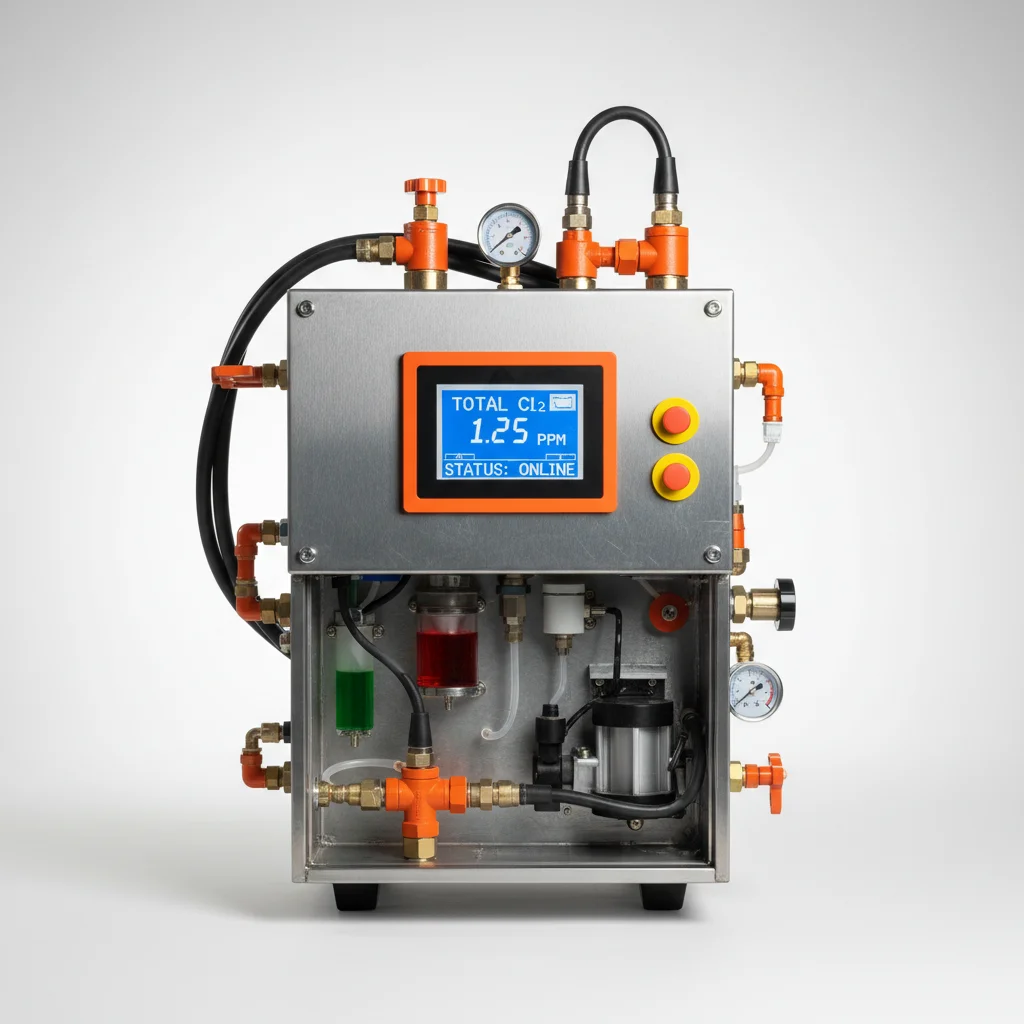
Water hardness analysis is a critical practice globally, impacting industries ranging from agriculture and manufacturing to healthcare and domestic water supply. Accurate measurement of calcium and magnesium levels – the primary contributors to water hardness – is essential for preventing scale buildup, optimizing processes, and ensuring the longevity of equipment. Understanding water hardness is no longer a regional concern but a worldwide necessity driven by increasing industrialization, population growth, and the demand for efficient resource management. A reliable water hardness analyzer is therefore a foundational tool for responsible water stewardship.
The implications of unchecked water hardness are far-reaching. In industrial settings, scale formation reduces heat transfer efficiency, increases energy consumption, and can lead to costly equipment failures. In residential areas, hard water impacts the effectiveness of soaps and detergents, causes staining, and shortens the lifespan of appliances like water heaters and washing machines. Globally, regions with naturally hard water face unique challenges in providing safe and sustainable water resources, necessitating frequent and accurate monitoring via a water hardness analyzer.
Addressing these challenges requires readily available and dependable water hardness analysis. Advancements in analyzer technology are now making accurate measurements more accessible and affordable, empowering businesses and communities to proactively manage their water quality and minimize the negative consequences of hard water. The increased demand for solutions highlights the growing importance of investing in tools, such as a quality water hardness analyzer, that facilitate informed decision-making.
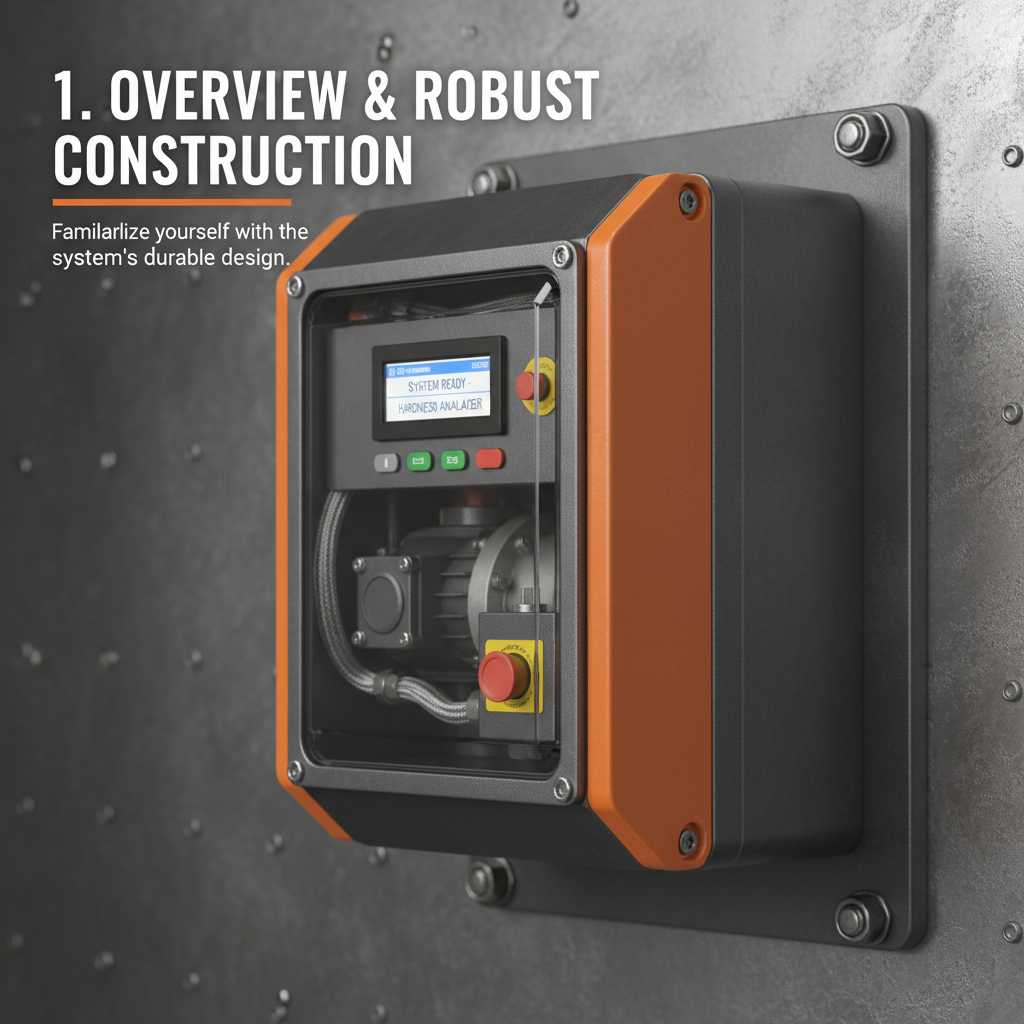
Introduction to Water Hardness Analyzer
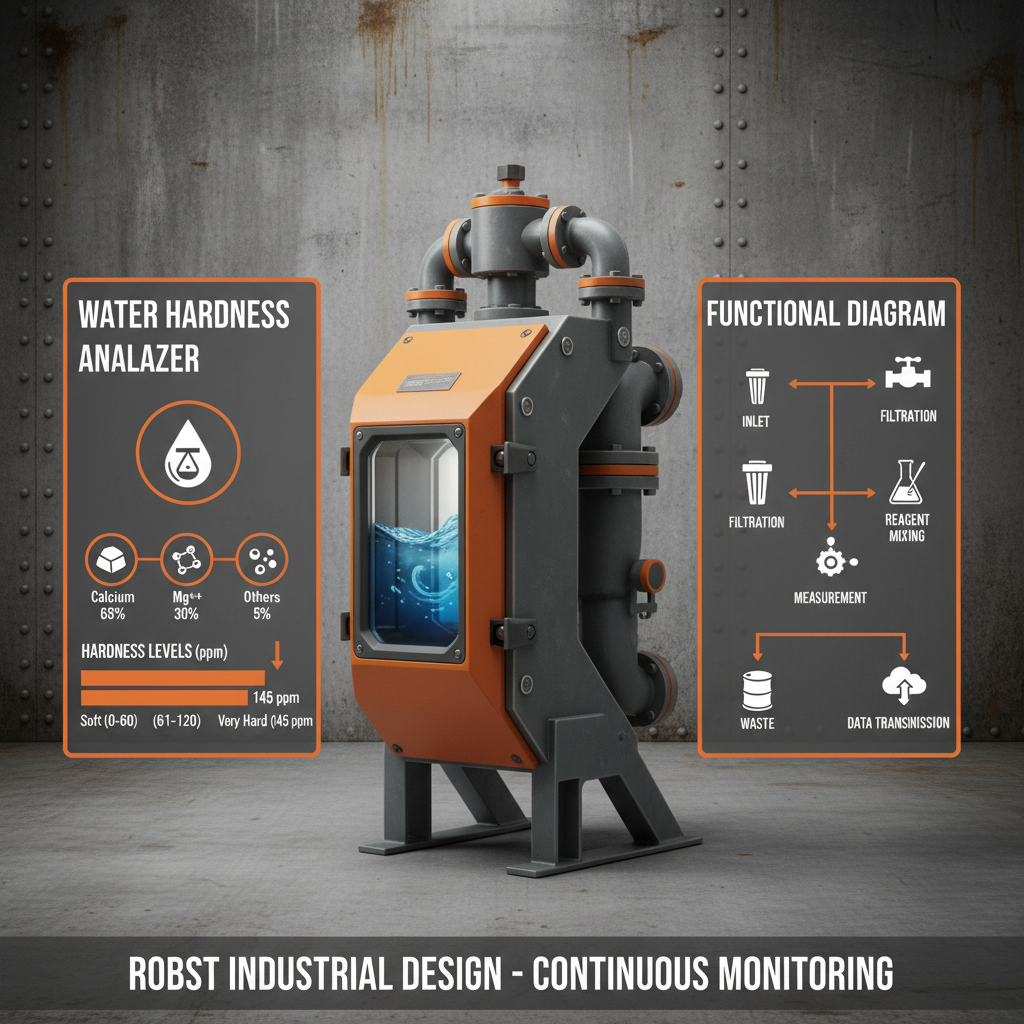
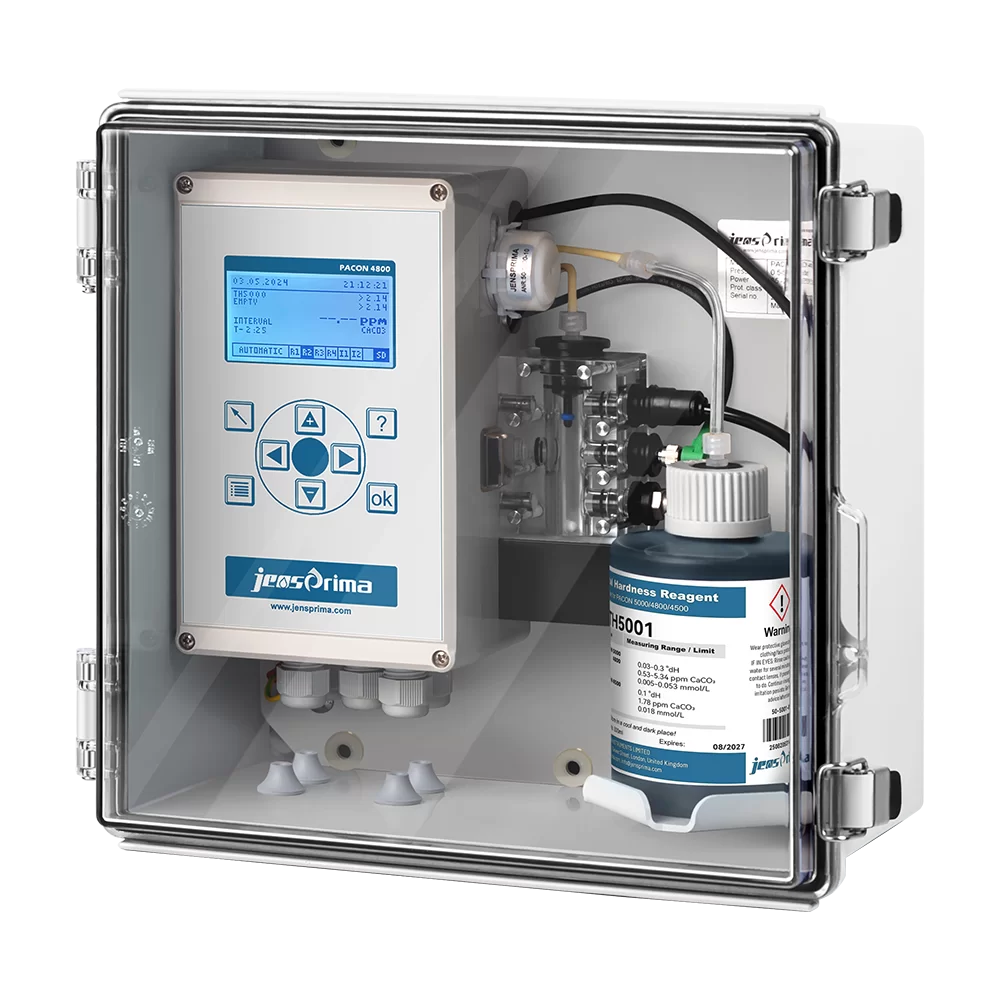
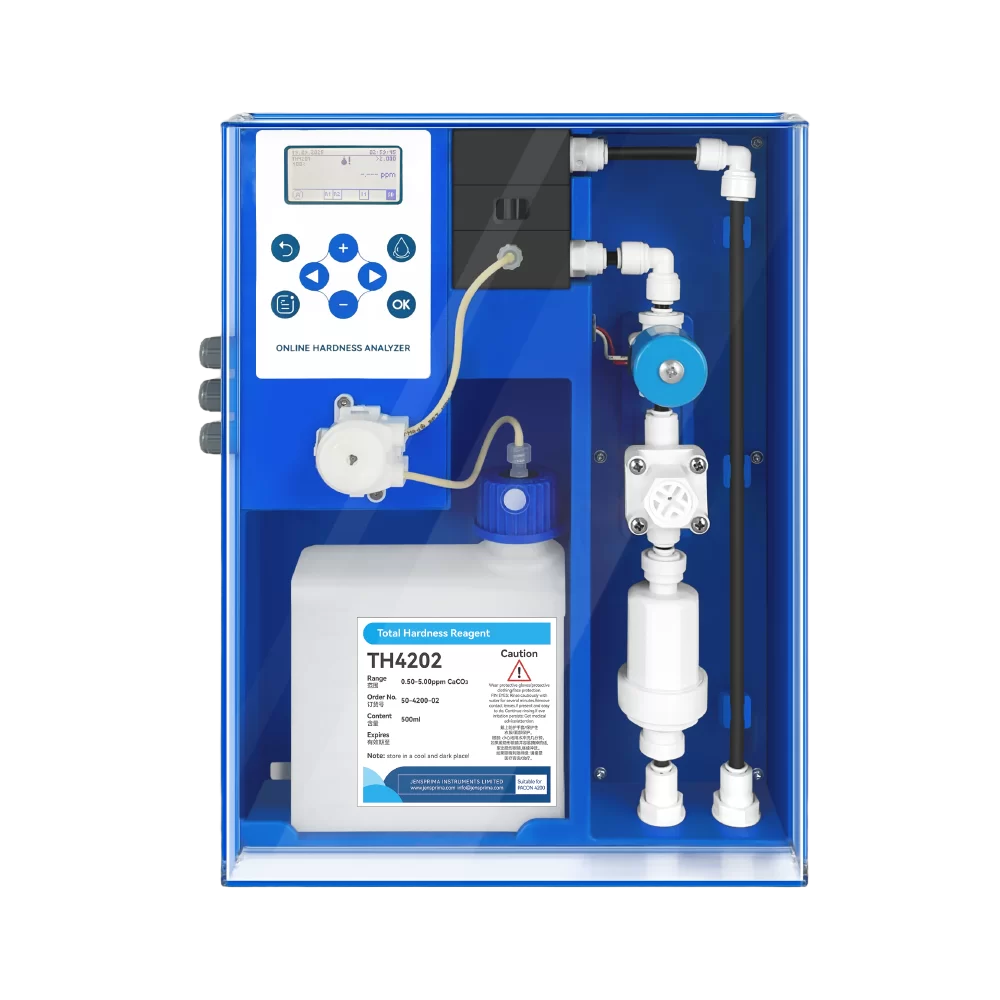
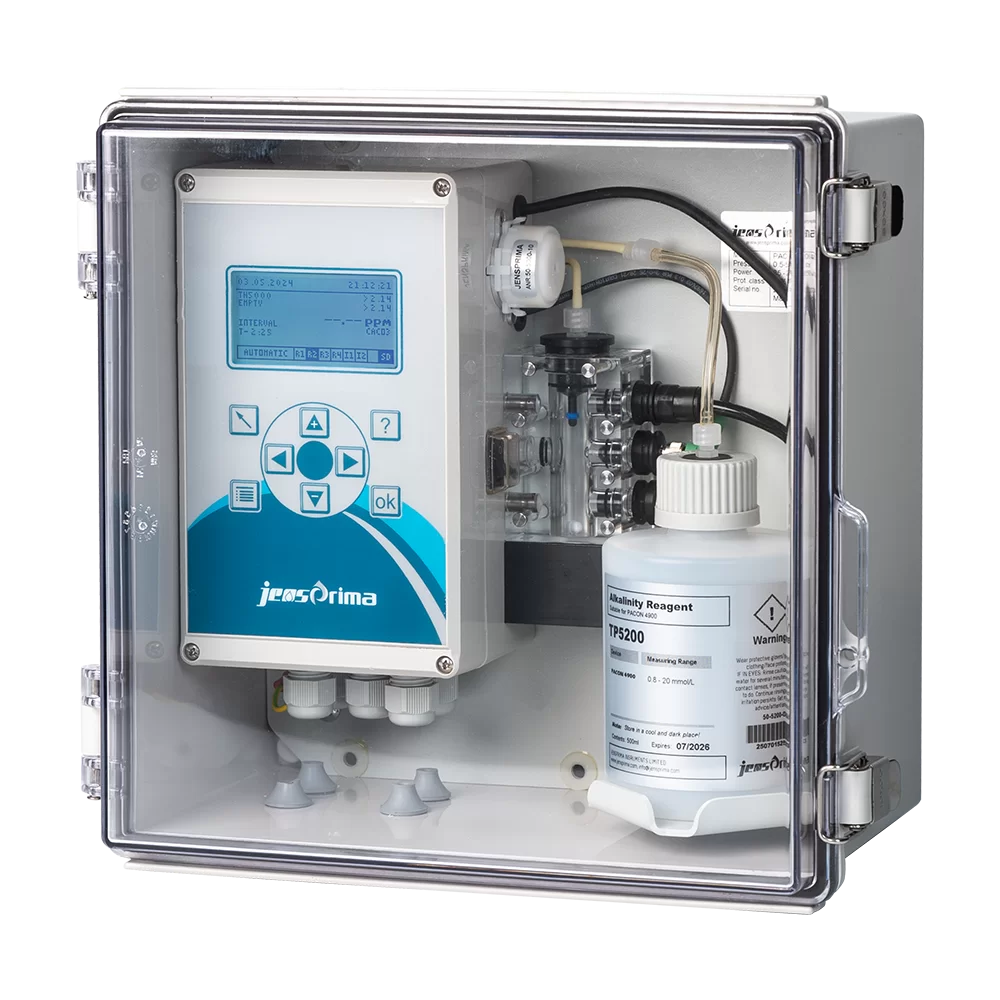
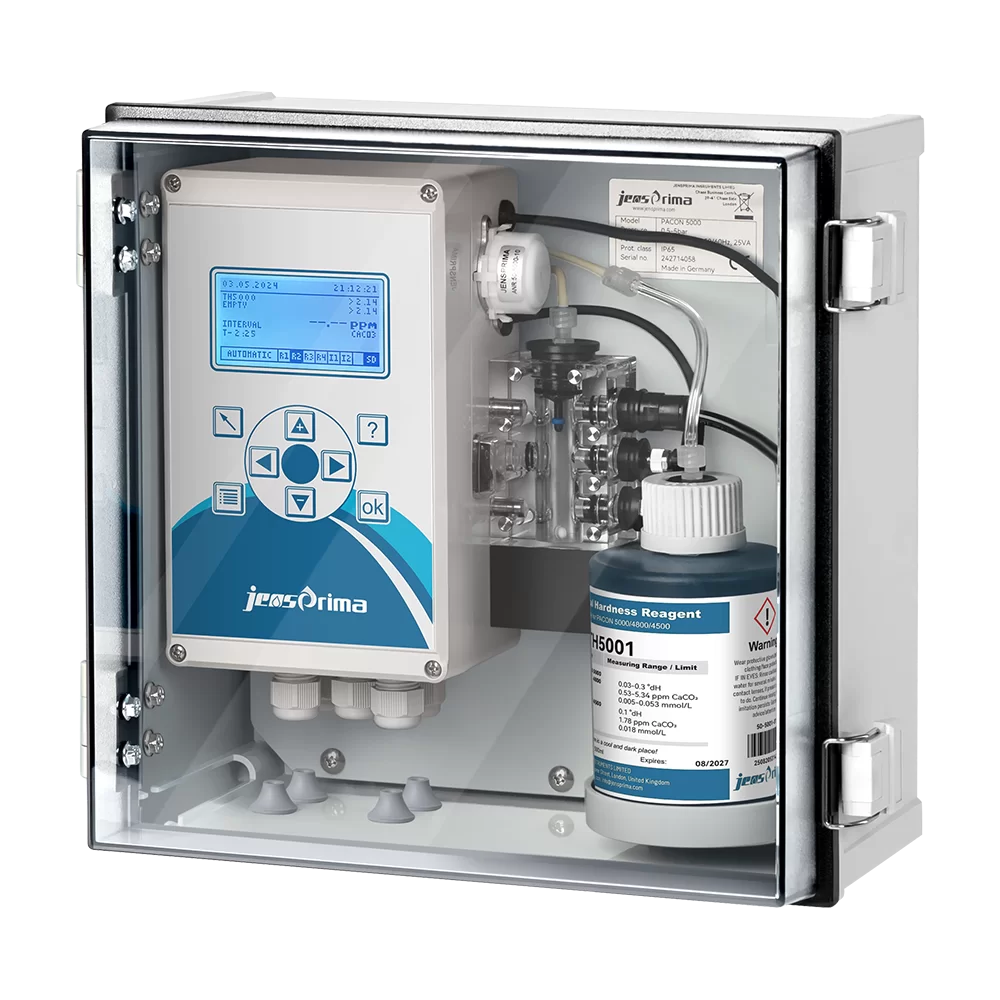
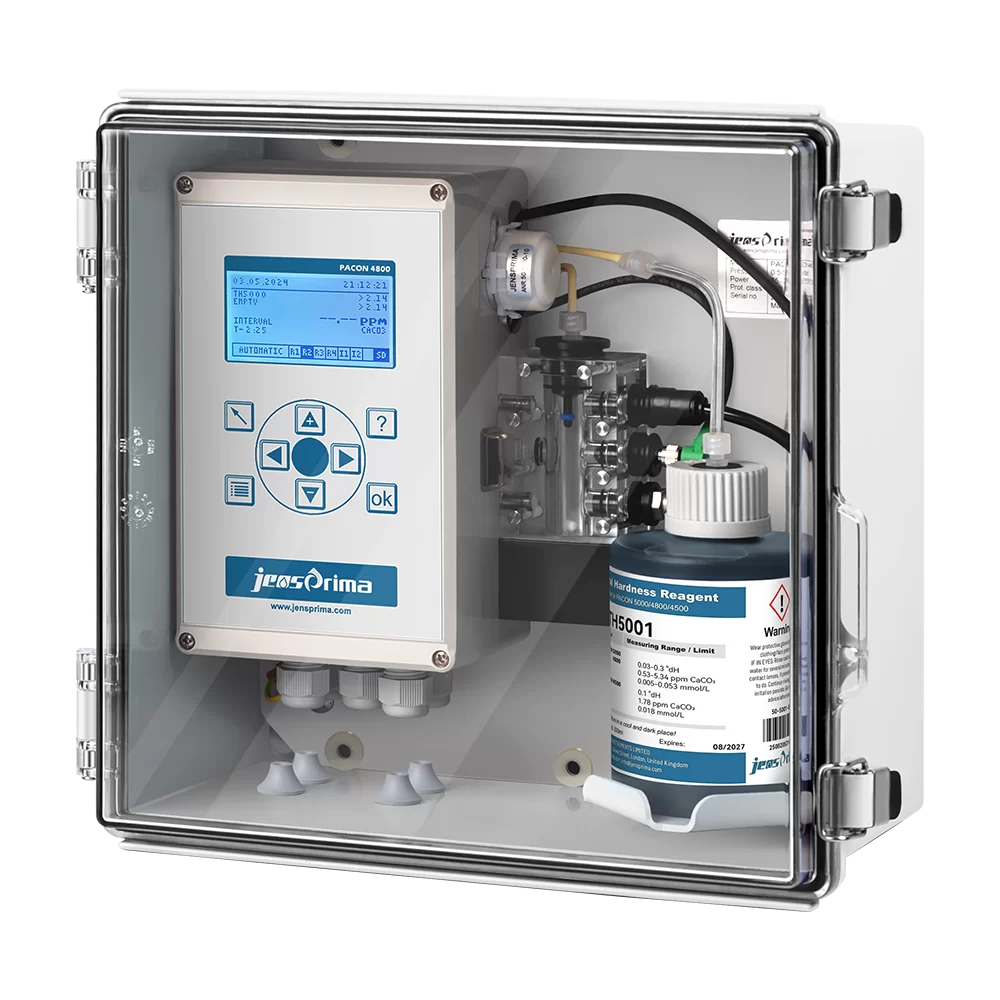
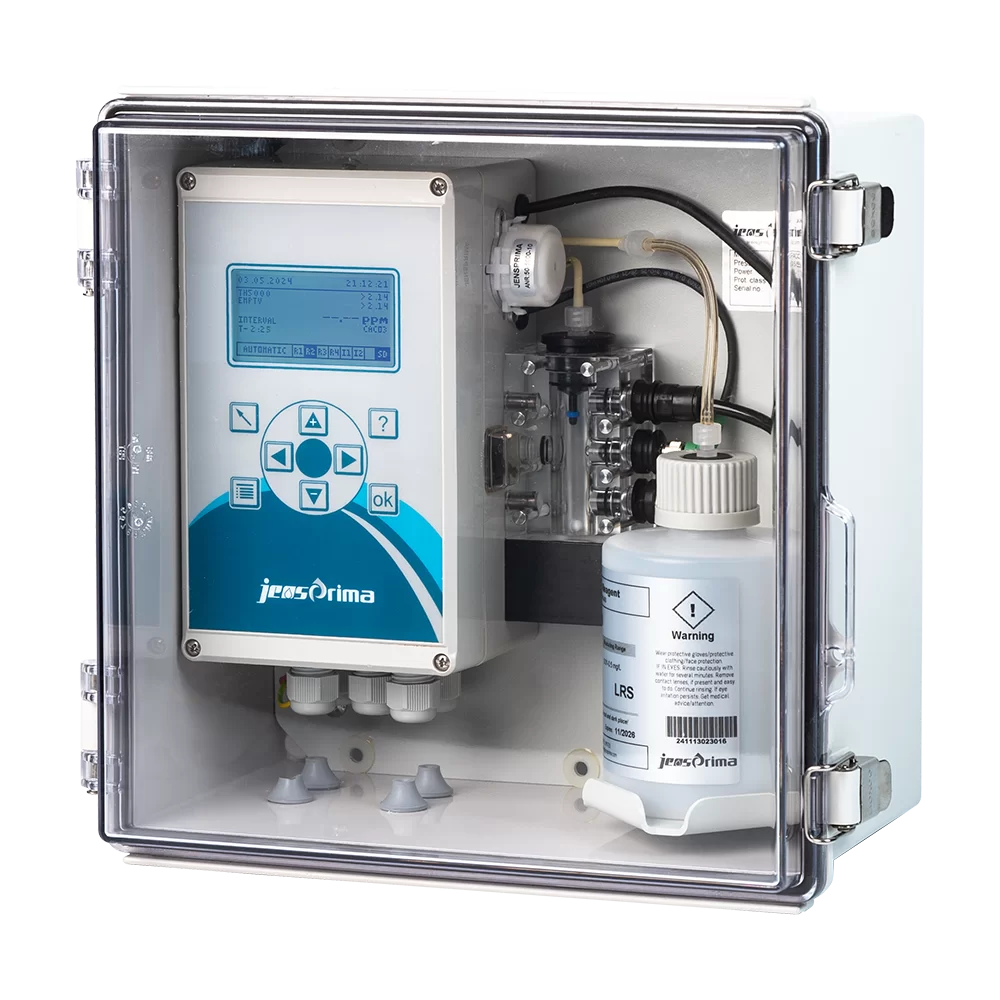
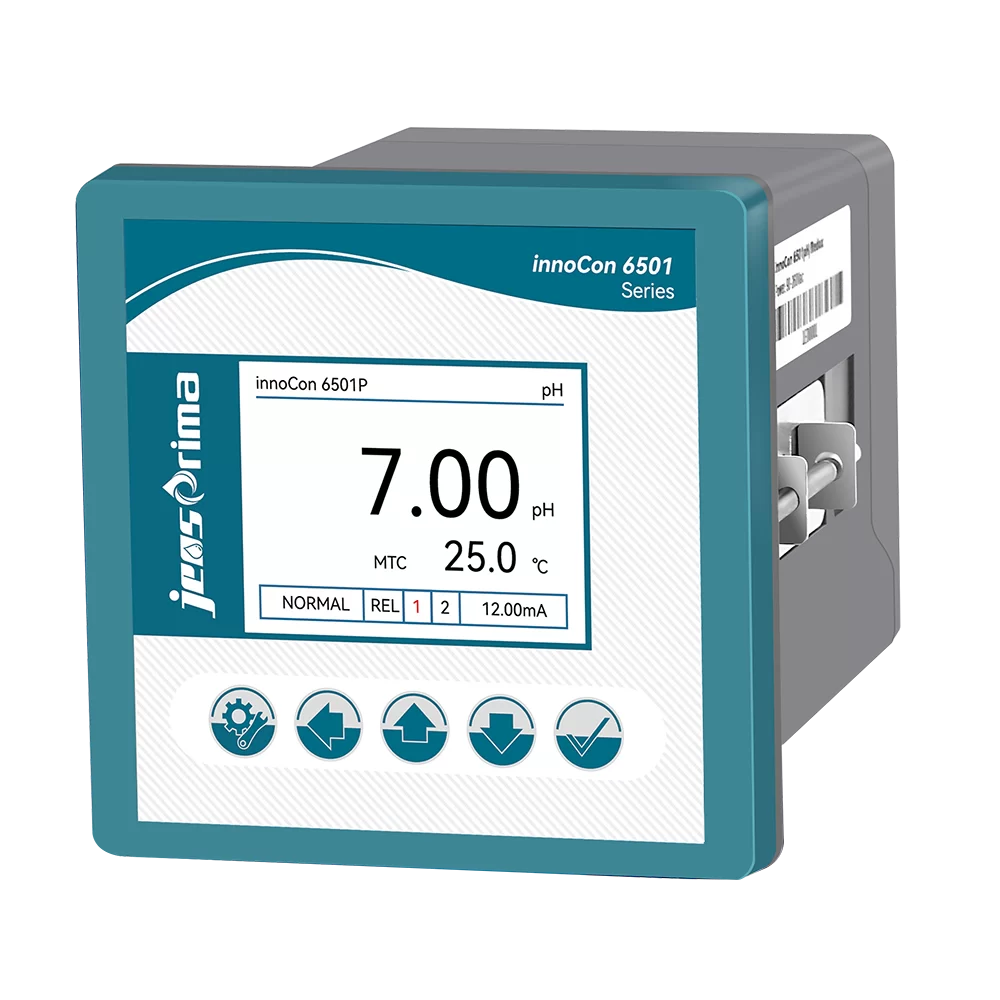
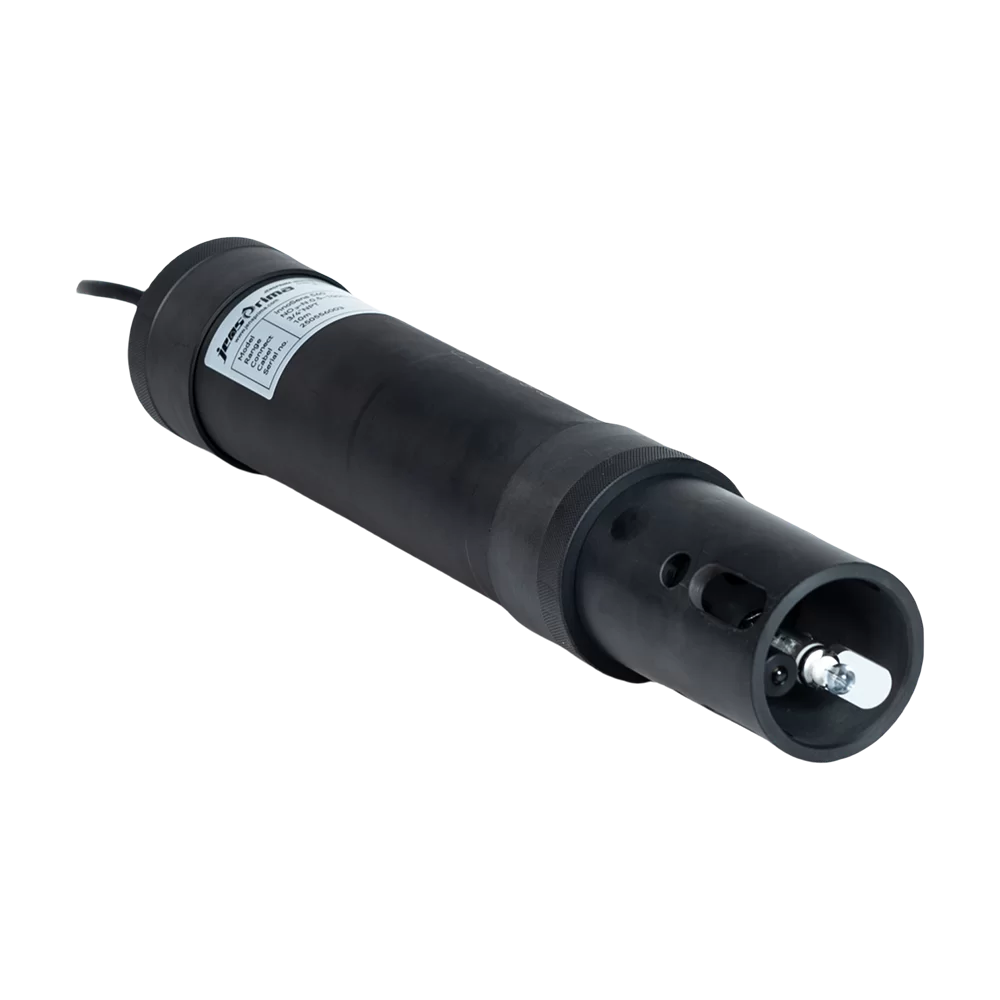
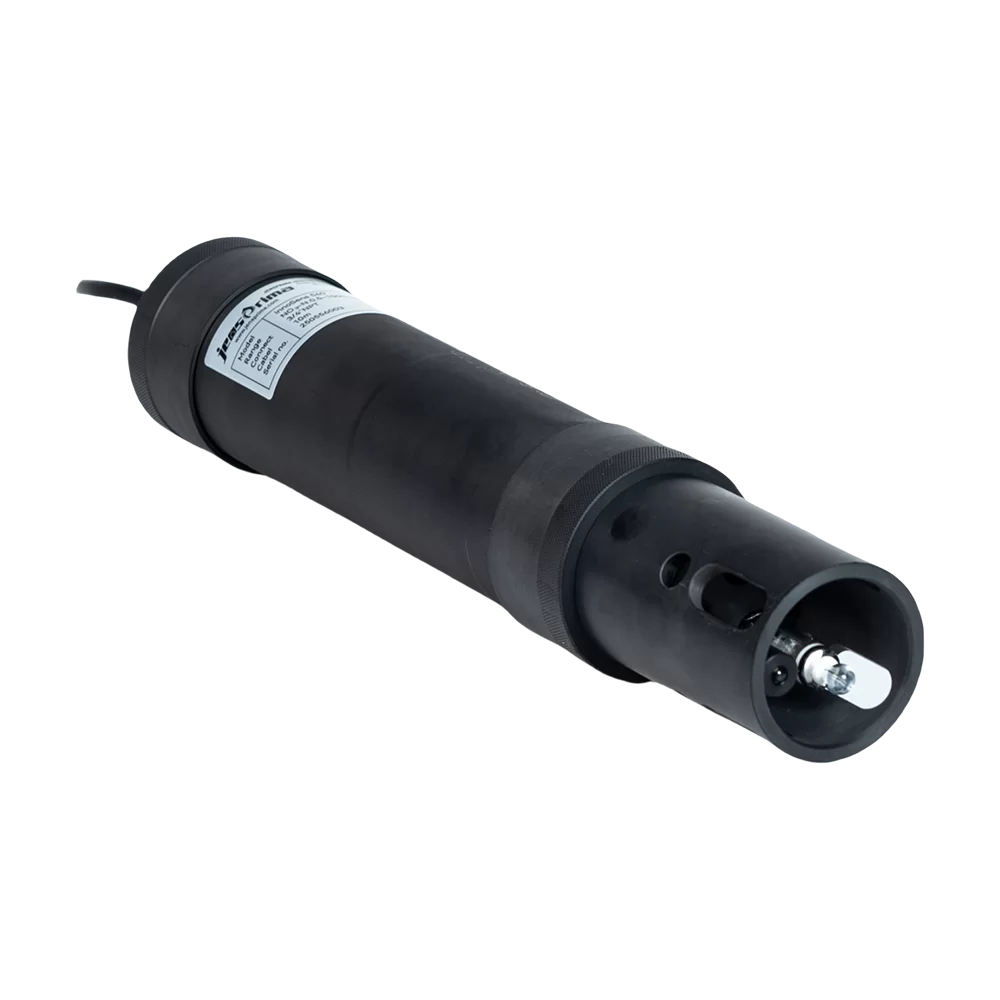
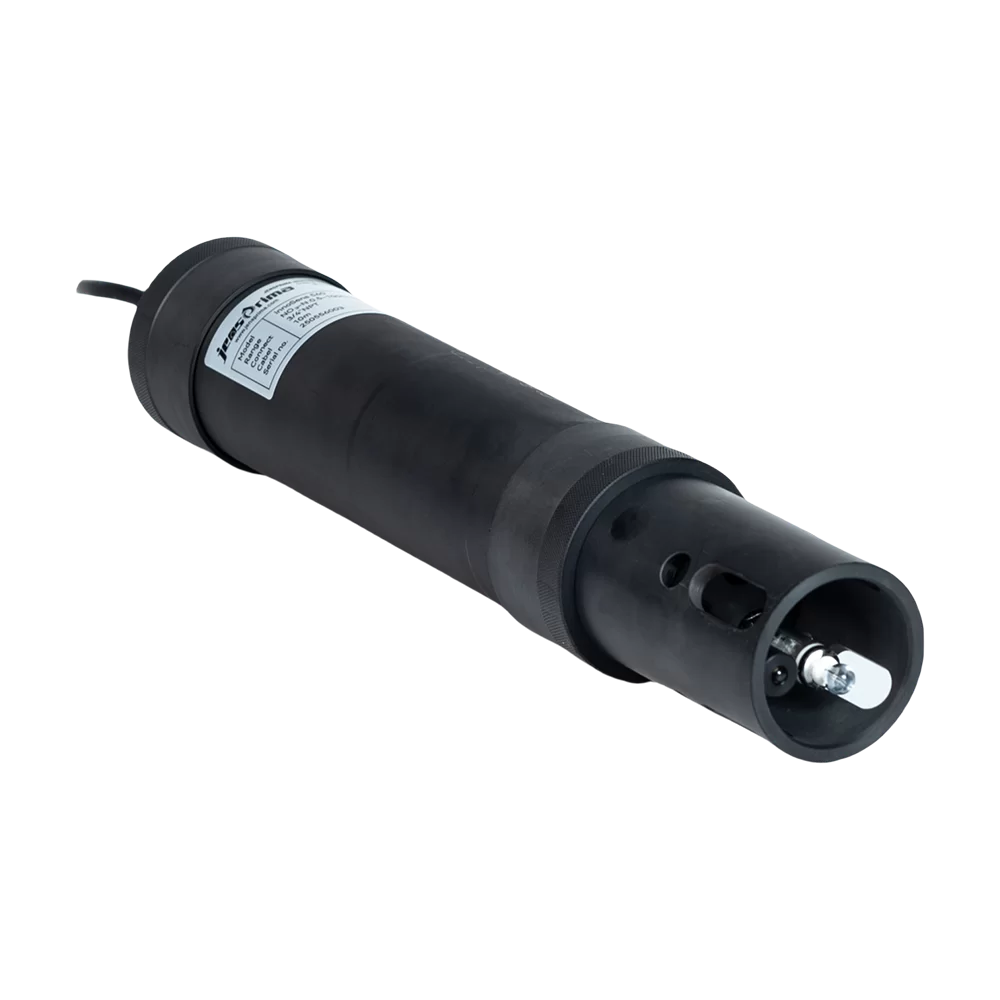
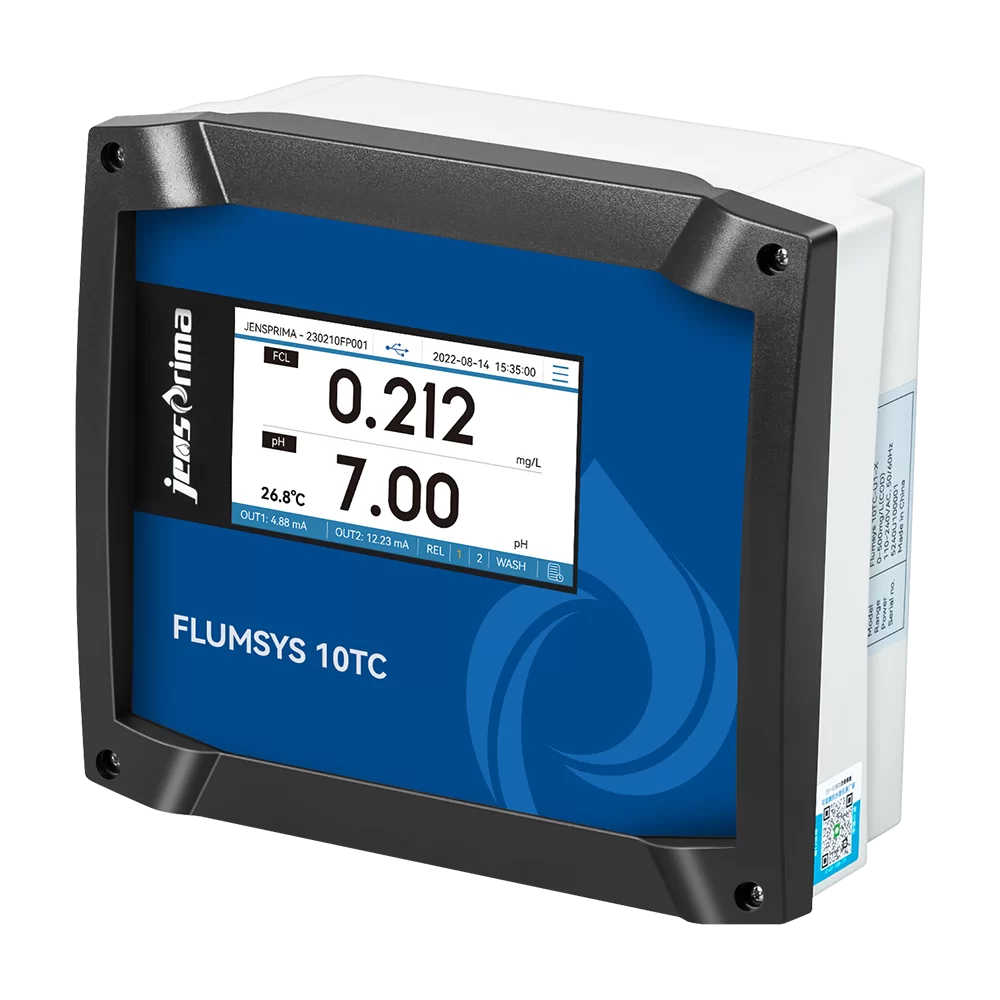
A water hardness analyzer is a device utilized to measure the concentration of dissolved minerals, primarily calcium and magnesium, in a water sample. These minerals are responsible for what is commonly known as “hard water.” Accurate determination of hardness is crucial across many sectors, from maintaining the efficiency of industrial boilers to ensuring the quality of drinking water. A quality water hardness analyzer offers a precise and reliable solution for these needs.
The fundamental purpose of employing a water hardness analyzer extends beyond simple measurement. It is about proactive management, cost reduction, and environmental protection. By identifying and addressing hard water issues early, businesses and municipalities can prevent equipment damage, optimize chemical usage, and ensure long-term sustainability. The modern water hardness analyzer represents a cornerstone of responsible water resource management.
Defining Water Hardness Analyzer
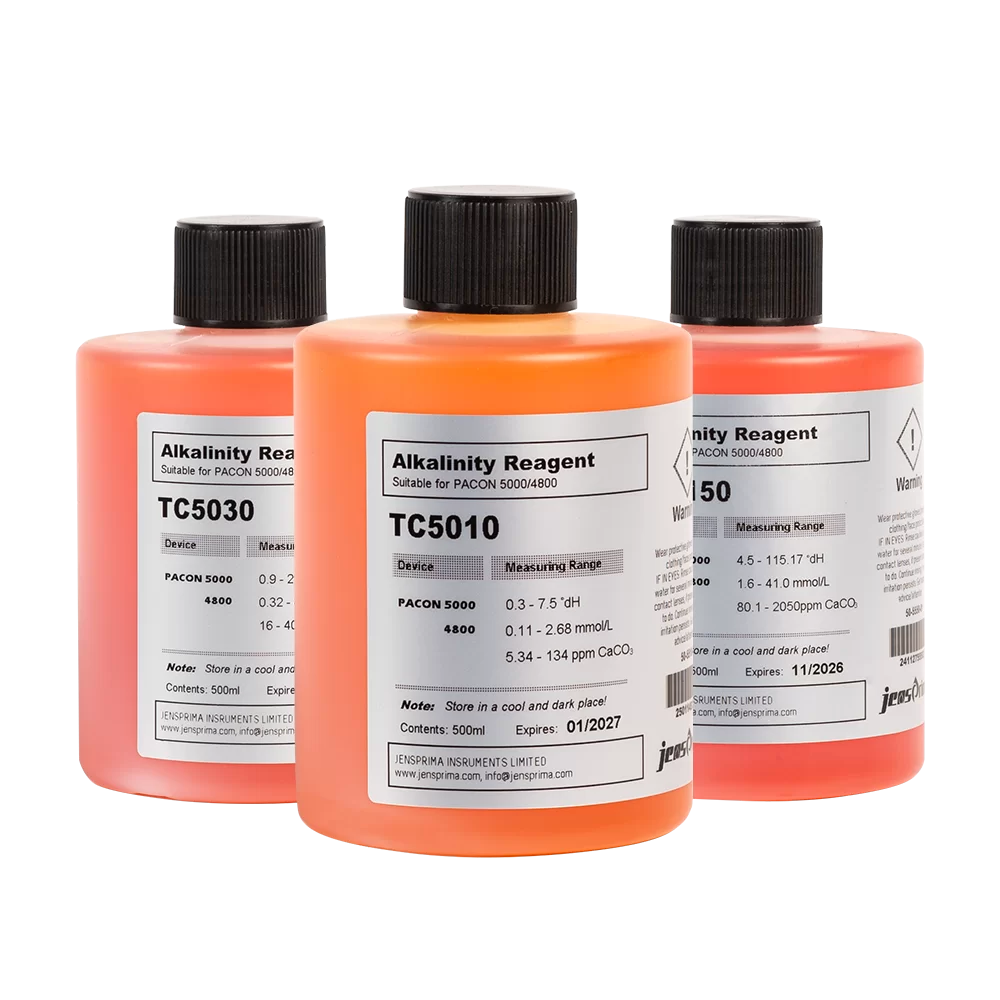
A water hardness analyzer is an instrument designed to quantify the amount of dissolved calcium and magnesium ions present in water. Hardness is typically expressed in parts per million (ppm) or grains per gallon (gpg). The process involves reacting the water sample with specific reagents that form precipitates or complexes, which can then be measured using various analytical techniques, such as titration or electrochemical sensors. These techniques are integrated into modern water hardness analyzer models.
The connection to modern industry is particularly strong. Many industrial processes, including power generation, food processing, and pharmaceutical manufacturing, require water of a specific hardness level. Excessive hardness can lead to scaling, corrosion, and reduced efficiency, while insufficient hardness can also cause problems. A water hardness analyzer is thus an essential tool for quality control and process optimization.
In humanitarian contexts, knowing water hardness is important for providing safe drinking water. High hardness can interfere with soap and detergent action, making it difficult to maintain hygiene. It can also contribute to the formation of kidney stones and other health problems. Therefore, portable water hardness analyzer units are valuable assets in disaster relief efforts and in areas with limited access to clean water.
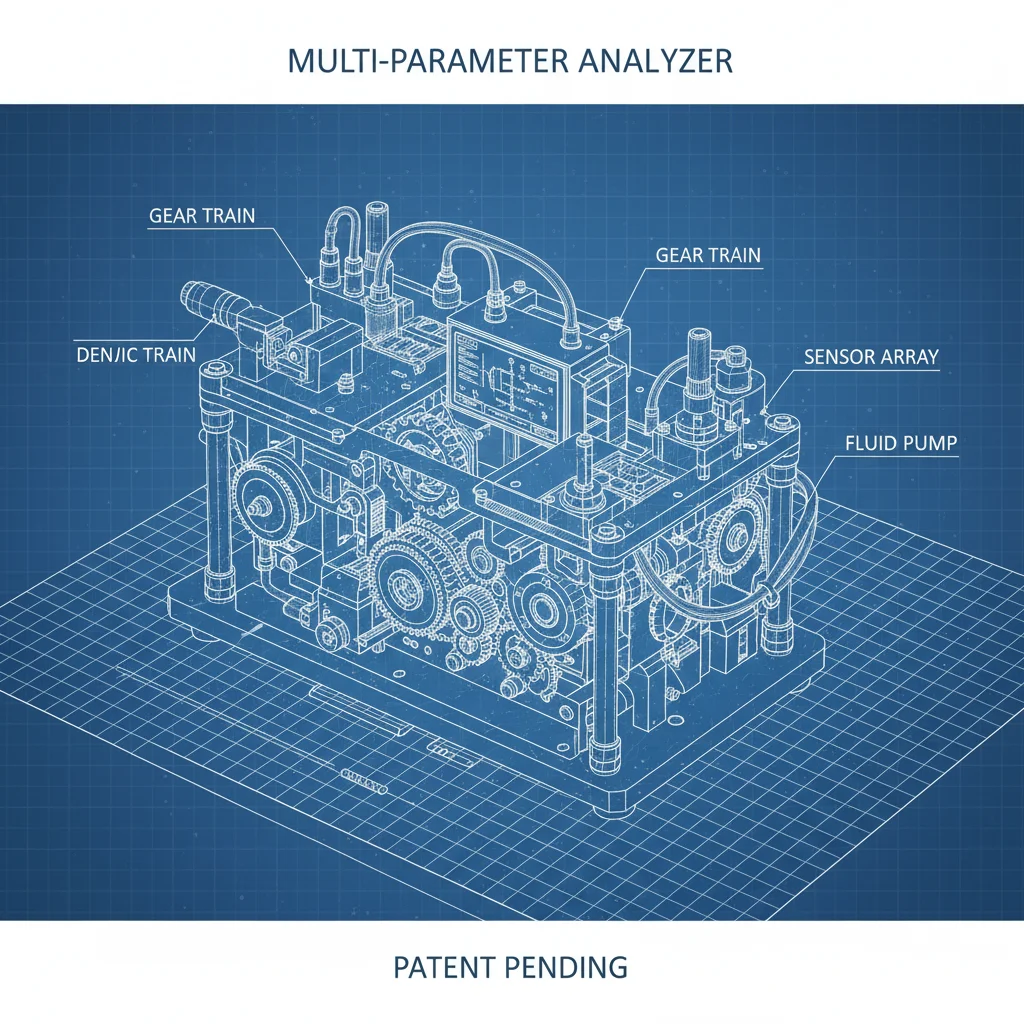
Core Components of a Water Hardness Analyzer
Durability is a key component, especially in field applications. A robust analyzer, built to withstand harsh environmental conditions and frequent use, ensures long-term reliability and minimizes downtime. The materials used in construction, such as corrosion-resistant alloys and high-impact plastics, play a significant role in the instrument’s lifespan. Choosing a water hardness analyzer known for its durability is an investment in sustained performance.
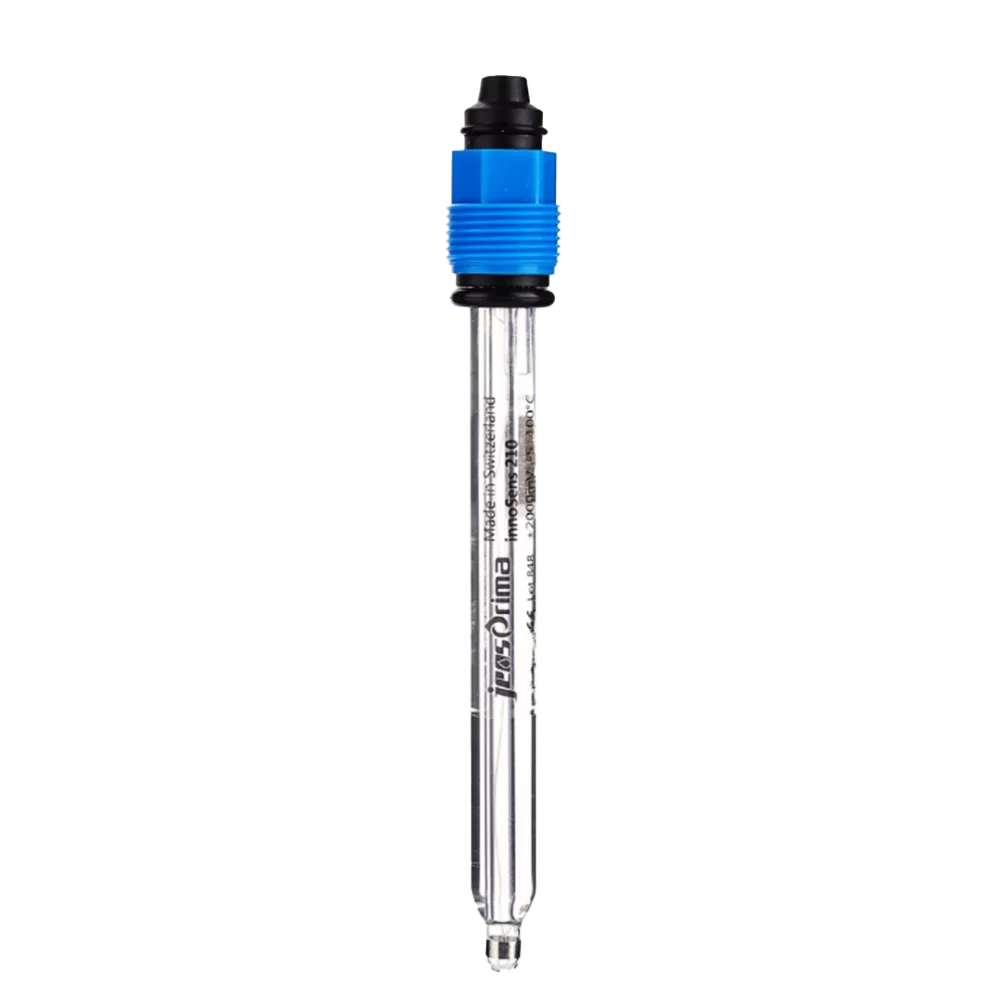
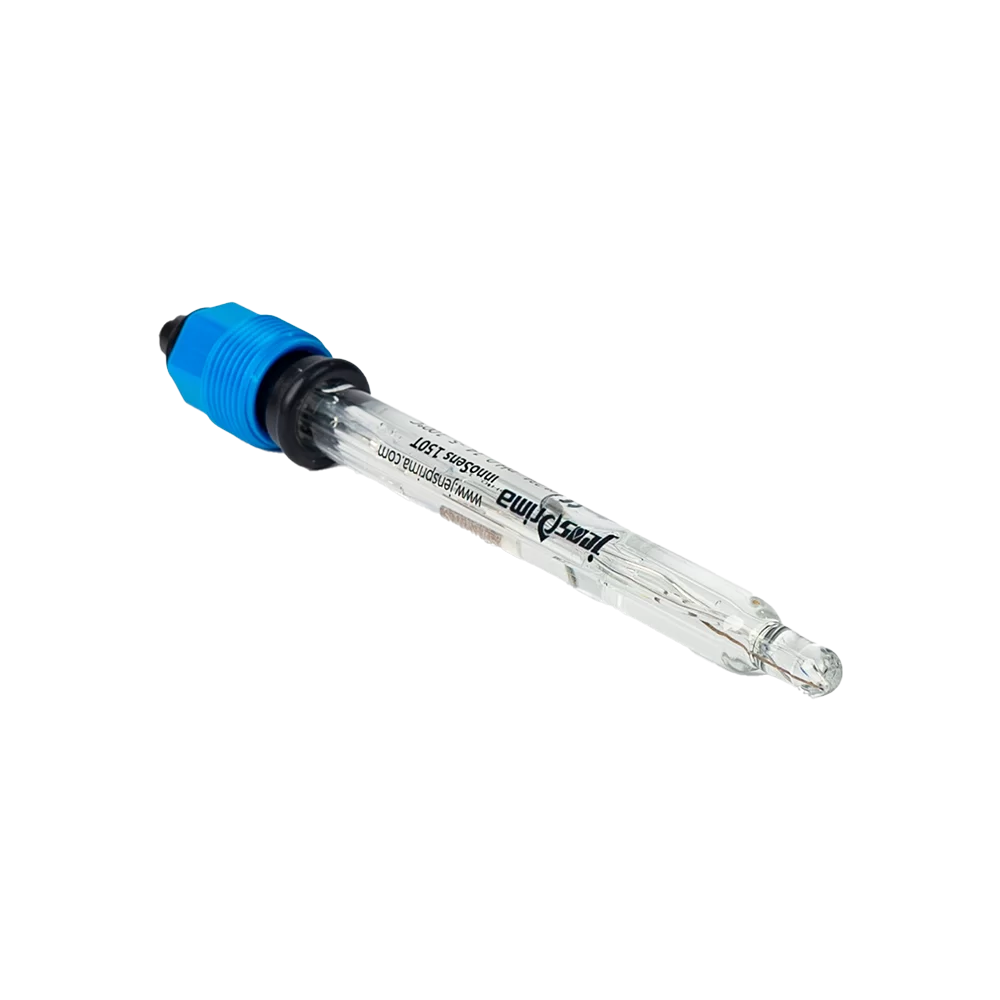
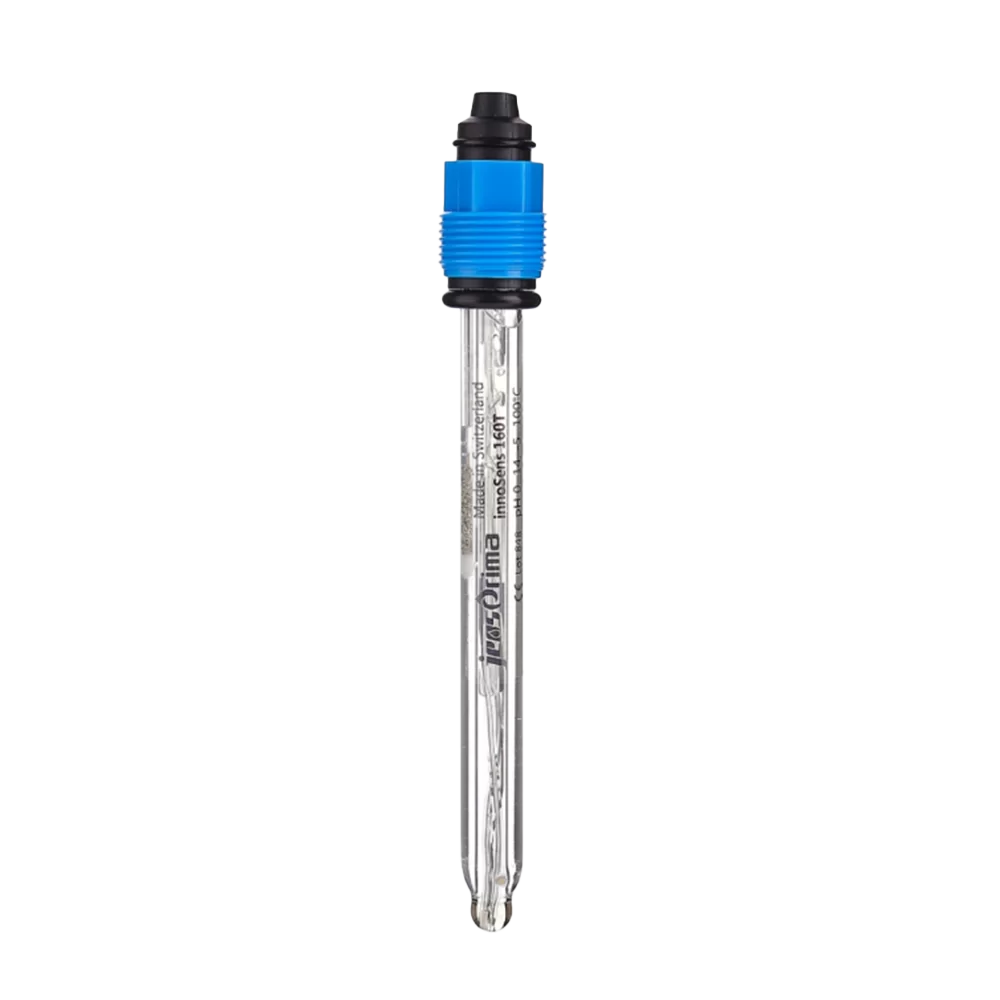
Accuracy is paramount, demanding precise sensors and calibrated measurement techniques. Different types of analyzers employ varying methods, each with its own strengths and limitations. Titration-based analyzers require skilled operators, while electrochemical sensors offer automated readings with high precision. The selection of the right water hardness analyzer depends on the specific application and required level of accuracy.
Portability and ease of use are essential for on-site testing and remote locations. Compact, lightweight analyzers with intuitive interfaces allow for quick and convenient measurements, reducing the need for laboratory analysis. Features like integrated data logging and wireless connectivity further enhance usability. A truly portable water hardness analyzer empowers field technicians to make informed decisions in real-time.
Practical Applications of Water Hardness Analyzers
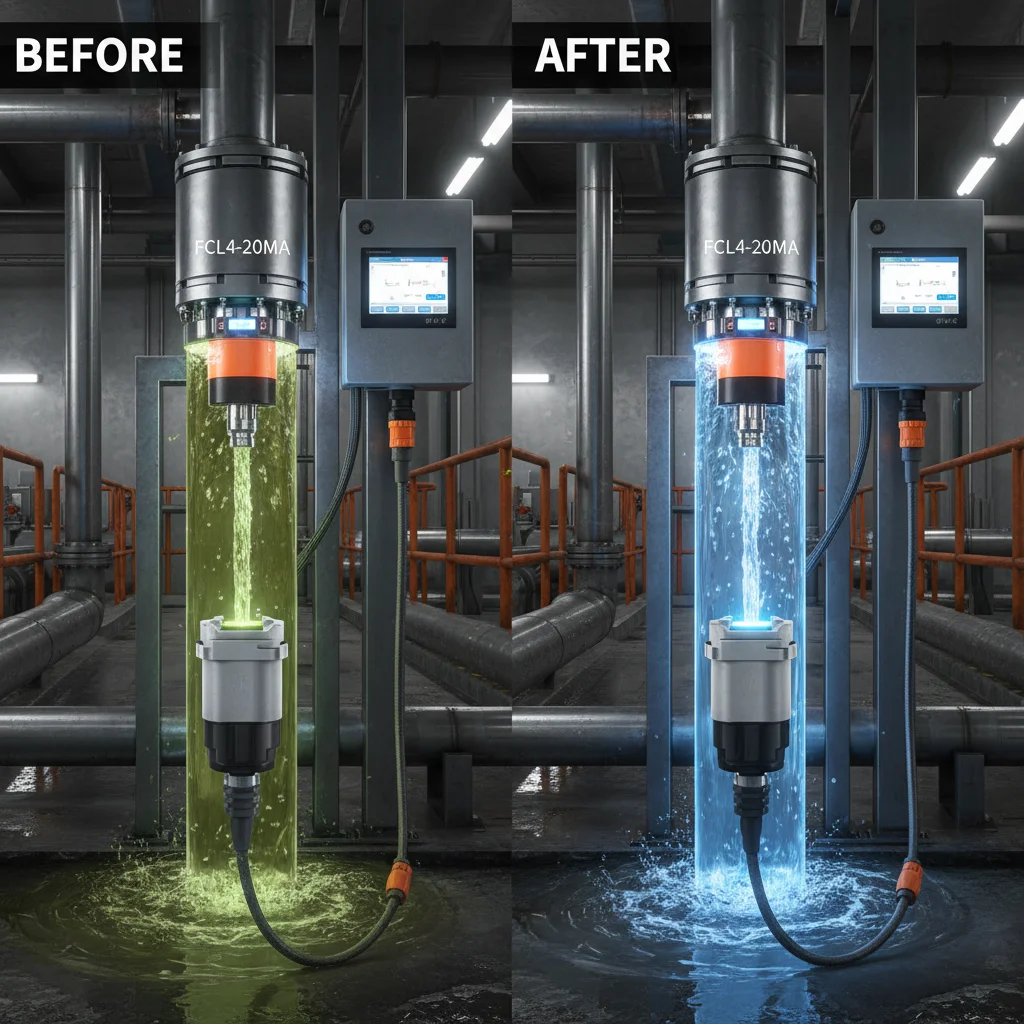
In the power generation industry, water hardness analyzers are used to monitor the water quality in boiler systems, preventing scale buildup and maintaining optimal heat transfer efficiency. This reduces energy consumption, minimizes downtime, and extends the life of critical equipment. Regularly scheduled hardness analysis ensures uninterrupted power supply.
The food and beverage industry relies on accurate water hardness measurements to ensure product quality and consistency. Hard water can affect the taste and appearance of beverages, as well as interfere with the effectiveness of cleaning agents. Using a water hardness analyzer helps maintain stringent quality control standards.
Water Hardness Analyzer Performance Metrics
Global Deployment and Impact
In post-disaster relief operations, rapid water hardness assessment is critical for determining the suitability of available water sources for purification and safe consumption. Portable water hardness analyzers allow aid workers to quickly assess water quality and prioritize treatment efforts, saving lives.
In remote industrial zones, where laboratory access is limited, on-site water hardness analyzers enable continuous monitoring of water quality, ensuring compliance with environmental regulations and preventing costly equipment failures. The ability to perform real-time analysis minimizes downtime and maximizes operational efficiency.
Advantages and Long-Term Value
The cost savings associated with utilizing a water hardness analyzer are substantial. Preventing scale buildup in industrial systems reduces energy consumption, extends equipment life, and minimizes maintenance costs. In residential settings, it leads to lower appliance repair bills and improved cleaning efficiency.
From a sustainability perspective, accurate water hardness analysis allows for optimized chemical usage in water treatment processes, reducing environmental impact and conserving resources. Furthermore, proactive management of water quality ensures long-term availability of this vital resource for future generations.
Future Trends in Water Hardness Analysis
The integration of digital technologies, such as IoT sensors and cloud-based data analytics, is revolutionizing water hardness monitoring. Real-time data transmission and remote access allow for proactive management and predictive maintenance. The use of Artificial Intelligence (AI) and Machine Learning (ML) to analyze water quality data is also gaining traction.
The development of more sophisticated and miniaturized sensors is leading to the creation of portable and affordable water hardness analyzers that can be deployed in a wider range of applications. These advancements are enabling more accurate and efficient water quality management.
Furthermore, the growing focus on green chemistry and sustainable water treatment technologies is driving the demand for analyzers that can accurately monitor the effectiveness of these innovative solutions. This is crucial for ensuring compliance with increasingly stringent environmental regulations.
Challenges and Solutions
A common challenge in water hardness analysis is ensuring the accuracy and reliability of measurements across a wide range of water compositions. Interference from other dissolved ions can sometimes affect the results, requiring careful calibration and quality control procedures.
Another limitation is the cost of some advanced water hardness analyzers, which can be prohibitive for small businesses and developing countries. Solutions include the development of more affordable and user-friendly instruments, as well as the provision of training and technical support.
Furthermore, the lack of standardized protocols for water hardness analysis can lead to inconsistencies in data reporting. Establishing internationally recognized standards and promoting best practices are essential for ensuring the comparability and reliability of water quality data.
Summary of Water Hardness Analyzer Operational Parameters
| Analyzer Type |
Accuracy Range (ppm) |
Operational Temperature (°C) |
Maintenance Frequency |
| Titration-Based |
± 2 ppm |
15-30 |
Monthly |
| Electrochemical Sensor |
± 1 ppm |
5-45 |
Bi-Weekly |
| Photometric Analyzer |
± 0.5 ppm |
10-40 |
Quarterly |
| Portable Digital Meter |
± 3 ppm |
0-50 |
Annual Calibration |
| Online Continuous Monitor |
± 0.2 ppm |
-10-60 |
Sensor Replacement (Yearly) |
| Spectrophotometric Analyzer |
± 0.1 ppm |
20-25 |
Semi-Annual Calibration |
FAQS
Total hardness represents the combined concentration of all polyvalent cations in water, primarily calcium and magnesium. Carbonate hardness, on the other hand, specifically measures the amount of calcium and magnesium bound to carbonate ions. Understanding this distinction is important because carbonate hardness can be removed by boiling, whereas total hardness requires other treatment methods. Accurate measurement using a water hardness analyzer can help determine appropriate water treatment strategies.
The calibration frequency for a water hardness analyzer depends on the type of analyzer, the frequency of use, and the required accuracy. Generally, it's recommended to calibrate at least annually, or more frequently if the analyzer is used extensively or if measurements are critical. Following the manufacturer's recommendations is crucial for maintaining accuracy and reliability.
The World Health Organization (WHO) generally recommends a hardness level between 60 and 120 ppm for drinking water. While hardness doesn't pose a health risk, water that is too hard can have an unpleasant taste and can cause scaling in pipes and appliances. Regular monitoring with a water hardness analyzer can help ensure optimal water quality.
Most water hardness analyzers are specifically designed to measure calcium and magnesium concentrations. However, some advanced models may have the capability to detect other ions, such as iron and manganese, which can also contribute to water quality issues. It's important to check the analyzer's specifications to determine its capabilities.
Digital water hardness analyzers offer several advantages over traditional titration methods, including increased accuracy, faster results, and reduced operator error. They also often include features like data logging and wireless connectivity, which streamline data management. While titration can be cost-effective, digital analyzers provide more reliable and efficient measurements.
Water temperature can influence the accuracy of some water hardness analyzers. Many analyzers require temperature compensation to ensure accurate readings. It's important to follow the manufacturer's instructions regarding temperature control and calibration. Using an analyzer with built-in temperature compensation can minimize errors caused by temperature fluctuations.
Conclusion
In conclusion, the water hardness analyzer stands as a crucial instrument for managing water quality across diverse sectors. From industrial operations seeking efficiency gains to communities striving for safe drinking water, accurate hardness measurement is paramount. The benefits extend beyond immediate cost savings, contributing to sustainability, environmental protection, and long-term resource management. Investing in reliable analysis is investing in a healthier, more efficient future.
Looking ahead, the evolution of water hardness analysis will be shaped by advancements in digital technologies and a growing emphasis on data-driven decision-making. As sensors become more sophisticated and connectivity increases, we can expect to see more proactive and automated water quality management systems. For those seeking to optimize their water usage and protect their infrastructure, exploring the latest water hardness analyzer technologies is highly recommended.


 Download
 Video Center
 Technical Services
 FAQS
FAQS Service Network
 Privacy Policy
 Contact Us